L Carnitine Benefits Can I take L-carnitine with NaC?
\nCan I Take L-Carnitine with NAC? A Realistic Review for Women Navigating Metabolism and Fatigue
\n\nIf you have hit your late 30s or early 40s, you have likely noticed that your body doesn’t react to stress, late nights, or exercise the way it used to. Between balancing career demands, family life, and subtle hormonal shifts, waking up feeling truly rested can feel like a rare luxury. In the search for sustainable, non-stimulant ways to support cellular energy and metabolic resilience, many women find themselves looking into targeted amino acid derivatives and cellular defense compounds. This journey frequently leads to a highly specific question: Can I take L-carnitine with NAC?
\n\nThe interest in this specific combination stems from a desire to address two fundamental aspects of cellular aging: mitochondrial efficiency and oxidative stress. L-carnitine is well-known for its role in fat metabolism, acting as a shuttle that delivers fatty acids into your cells\' furnaces to be burned as fuel. On the flip side, N-acetyl cysteine (NAC) serves as the primary building block for glutathione, your body’s premier internal antioxidant system. Because both supplements interact within our cellular pathways, it is completely natural to wonder if taking them together amplifies their effects or simply creates an unnecessary burden on your digestive tract and wallet. This guide takes an objective, consumer-first look at what happens when you combine these two popular options.
\n\n\n\n
What the L-Carnitine and NAC Combination Is and Who It Might Fit Best
\nTo understand if you should pair these supplements, it helps to break down what they are individually and how they act as a duo. L-carnitine is an amino acid derivative that your body naturally synthesizes, but supplemental forms are often used to ensure adequate levels are available for mitochondrial transport. For women in the 35–44 demographic, maintaining mitochondrial function becomes increasingly important as natural metabolic rates begin their gradual decline.
\n\nNAC, or N-acetyl cysteine, is a modified form of the dietary amino acid cysteine. Its primary claim to fame is replenishing cellular glutathione stores, which shield cells from environmental pollutants, chronic stress, and age-related wear and tear. When someone asks, "Can I take L-carnitine with NAC safely?", they are looking at a dual-action strategy: L-carnitine keeps the cellular machinery fueled, while NAC helps clean up the metaphorical soot generated by that fuel-burning process.
\n\nThis combined approach is not a one-size-fits-all solution. It is typically best suited for women who are already proactive about their nutrition and exercise but still struggle with stubborn mid-afternoon energy crashes, brain fog, or sluggish workout recovery. It isn’t meant for individuals looking for a quick weight loss fix, nor is it a replacement for addressing fundamental thyroid or hormonal issues. Instead, think of it as a subtle, foundational layer for cellular maintenance.
\n\n\n\n
Practical Benefits and Where It Falls Short
\nOn paper, stacking these two ingredients seems foolproof, but real-world consumption introduces a variety of biological variables. When executed correctly with high-quality formulations, some users report a steady, jitter-free lift in daily stamina. Because it does not rely on caffeine or central nervous system stimulants, it doesn\'t leave you feeling anxious at 4 PM or disrupt your sleep hygiene at night. Over time, consistent users note that their muscle soreness after moderate exercise feels less intense, allowing them to stick to their fitness routines more reliably.
\n\nHowever, where this combination falls short is in its immediate noticeable impact and its potential for digestive irritation. Neither compound provides an instantaneous "rush." If you are expecting a dramatic shift in your waistline or a sudden burst of boundless energy within three days, you will likely be disappointed. Furthermore, both compounds possess unique sensory flaws: NAC famously carries a distinct sulfur (rotten egg) odor in its raw powder form, while high doses of oral L-carnitine can cause a noticeable, fishy odor in sweat or breath due to how it is broken down by gut bacteria.
\n\n\n A Positive Consumer Experience:\n\n
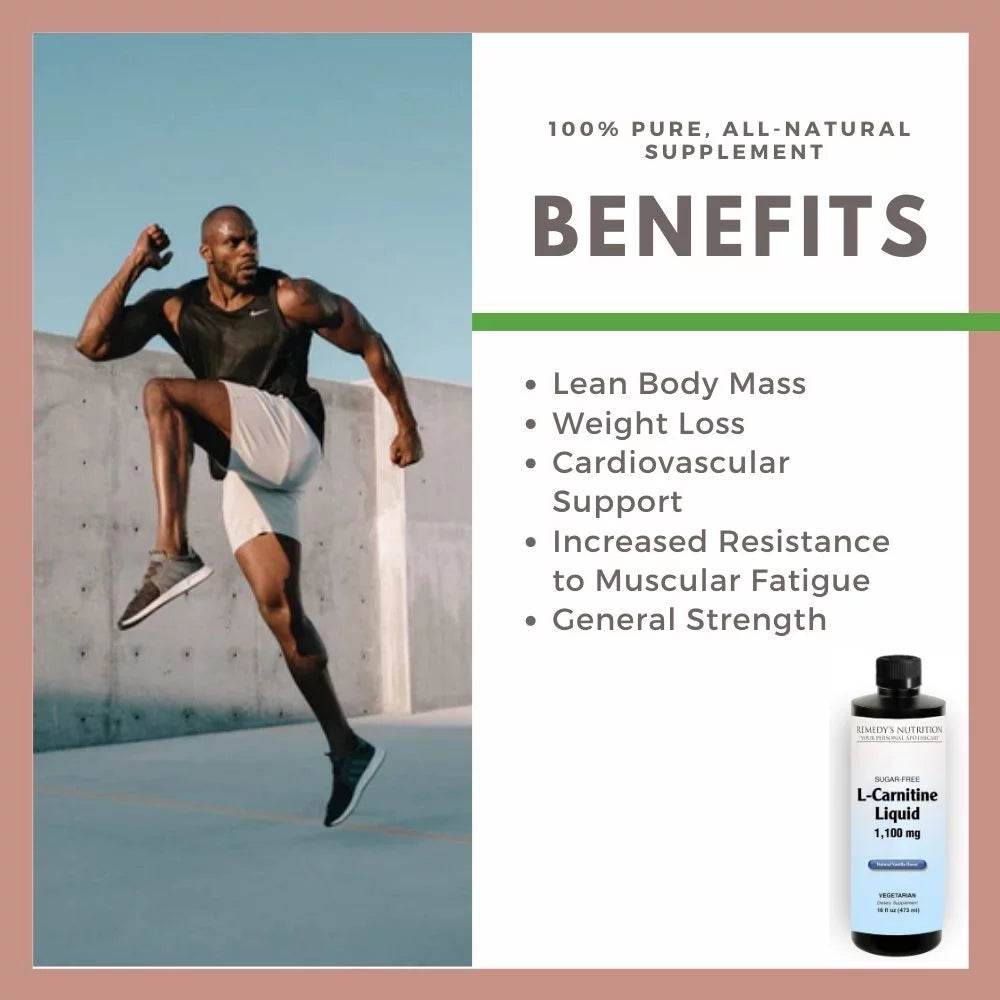
\n "I am a 41-year-old working mother, and by 3 PM I used to feel completely depleted. After confirming with my nutritionist that I could take L-carnitine with NAC, I added a liquid L-carnitine tartrate (1,500 mg) in the morning and a 600 mg NAC capsule with lunch. It took about three weeks, but I noticed I wasn\'t reaching for a second cup of coffee anymore. My mind felt clearer during late-afternoon meetings, and I didn\'t experience any stomach upset as long as I took them with food."\n
\n A Negative Consumer Experience:\n\n
\n "I tried taking a combined powdered drink mix containing both L-carnitine and NAC on an empty stomach before my morning workouts. Within twenty minutes, I suffered severe abdominal cramping and mild nausea that ruined my session. Additionally, the sulfur smell of the open container was incredibly off-putting. I had to stop after four days because my digestive system simply couldn\'t tolerate the acidity of the two ingredients combined without a full meal."\n
 \n
\n\n
What Research Suggests and What It Doesn\'t
\nWhen evaluating the scientific literature regarding whether you can take L-carnitine with NAC together, it is vital to separate broad cellular theories from actual human clinical trials. Most existing studies look at these two nutrients independently or within very specific clinical contexts, such as metabolic disorders, fertility treatments, or chronic fatigue syndromes. There is limited large-scale data detailing their long-term effects on healthy, active women in their late 30s and 40s.
\n\nIndependent research shows that L-carnitine supplementation can aid in muscle recovery by reducing biomarkers of cellular damage after physical exertion. Similarly, robust data exists proving NAC’s ability to efficiently boost systemic glutathione levels, supporting liver detoxification and respiratory tissue defense. When small-scale pilot studies have looked at combining carnitine variants with antioxidants like NAC, they often observe a modest, supportive trend in mitochondrial membrane potential, suggesting that the two do not inherently cancel each other out or form toxic interactions in the bloodstream.
\n\nHowever, the science does not back up claims that this combination will magically melt away visceral fat, cure metabolic syndromes, or reverse signs of physical aging. The limitations of oral supplementation are heavily tied to bioavailability. Regular oral L-carnitine possesses a notoriously low absorption rate in the human digestive system (often around 14–18%), meaning a significant portion of what you swallow is excreted or processed by intestinal bacteria. Consumers must approach these products recognizing them as subtle optimizations rather than primary medical interventions.
\n\n\n\n
Ingredients, Formats, and Quality Signals
\nIf you choose to experiment with these supplements, understanding the different forms listed on the label is essential for minimizing side effects and maximizing absorption.
\n\nL-Carnitine Variations
\n- \n
- L-Carnitine L-Tartrate (LCLT): Highly favored for physical performance and muscle recovery. It is absorbed relatively quickly, making it a staple in liquid formulas and pre-workout capsules. \n
- Acetyl-L-Carnitine (ALCAR): This variation features an added acetyl group, allowing it to cross the blood-brain barrier more effectively. If your primary concern is brain fog, mental fatigue, or focus, ALCAR is often preferred over standard L-carnitine. \n
- Propionyl-L-Carnitine (PLC): Often studied for its affinity with circulatory health and blood flow, though less common in general lifestyle supplements. \n
NAC Standards and Quality Markers
\nBecause NAC is sensitive to moisture and oxidation, raw powders degrade and smell intensely of sulfur quite quickly. Look for formulations utilizing tightly sealed, opaque capsules or individualized blister packs to protect the stability of the compound. Furthermore, high-quality brands will often pair NAC with trace minerals like selenium and molybdenum, which your liver requires to effectively utilize the extra cysteine during detoxification pathways.
\n\nAlways inspect product labels for independent third-party verification marks, such as NSF, USP, or ConsumerLab certifications. These seals ensure that what is written on the bottle matches what is actually inside, and that the product is free from heavy metal contamination—a crucial step when buying supplements intended for long-term cellular support.
\n\n\n\n
Comparison of Common Options
\nTo help you visual how these supplements fit into a daily routine, the table below outlines five common formats, their typical use cases, pros, cons, and estimated monthly costs based on standard consumer pricing.
\n\n| Format | \nTypical Dose/Use | \nPros | \nCons | \nEstimated Monthly Cost | \nBest For | \n
|---|---|---|---|---|---|
| Liquid L-Carnitine Tartrate + NAC Capsules | \n1,500mg liquid morning / 600mg capsule lunch | \nLiquid carnitine absorbs smoothly; avoids swallowing massive pills together. | \nLiquid forms often contain artificial flavors or sweeteners. | \n$35 – $50 | \nWomen focused on physical energy and exercise recovery. | \n
| Acetyl-L-Carnitine (ALCAR) + NAC Combo Capsules | \n500mg ALCAR / 600mg NAC once daily with a meal | \nExcellent for cognitive focus; convenient single-capsule serving options. | \nALCAR can cause mild insomnia if taken too late in the afternoon. | \n$30 – $45 | \nBusy professionals managing brain fog and mental fatigue. | \n
| All-in-One Powdered Mitochondrial Drink Mixes | \n1 scoop daily dissolved in 10 oz of water | \nHydration benefit; often contains extra cofactors like CoQ10. | \nStrong sulfur smell can be hard to mask; risk of digestive upset. | \n$50 – $75 | \nUsers who prefer drinks over swallowing multiple pills. | \n
| Standard L-Carnitine Base + NAC Veggie Caps | \n1,000mg Carnitine / 600mg NAC split between meals | \nBudget-friendly; easy to scale doses up or down independently. | \nRequires taking 3–4 large capsules throughout the day; low oral bioavailability. | \n$25 – $40 | \nPragmatic buyers looking for a straightforward, affordable trial. | \n
| Liposomal L-Carnitine & Glutathione Variants | \n5ml liquid or 2 softgels daily on an empty stomach | \nSuperior cellular absorption bypassing standard gut limitations. | \nVery expensive; replaces NAC directly with glutathione, changing the mechanism. | \n$65 – $90 | \nPremium consumers prioritizing maximum biological uptake. | \n
\n\n
Buying Framework and Red Flags
\nNavigating the supplement aisle can be overwhelming. Before purchasing any product to answer your question of whether you can take L-carnitine with NAC safely, use this structural checklist to vet the brands you are considering:
\n\n- \n
- Check for Clear Form Disclosures: Ensure the label specifies exactly which type of carnitine is used (e.g., L-tartrate or Acetyl-L-Carnitine) rather than just stating "L-Carnitine complex." \n
- Verify Additive Profiles: Avoid products weighed down by excessive fillers, artificial colorants (like FD&C Red No. 40), or heavy synthetic binders. \n
- Assess the Smelling Test: A slight sulfur scent from NAC is normal, but an overwhelming, putrid odor suggests poor manufacturing seals or moisture degradation. \n
- Avoid "Proprietary Blends": Never buy a product that lumps L-carnitine and NAC into a single milligram total without listing the precise dose of each ingredient. You cannot manage side effects if you don\'t know your exact dosages. \n
Red Flags to Watch Out For: Be highly skeptical of any brand that utilizes hyperbolic phrases like "instant fat burner," "metabolic miracle," or "age-reversing stack." Reputable, practitioner-backed brands rely on transparent ingredient lists and realistic descriptions of cellular support rather than exploiting consumer vulnerabilities surrounding aging.
\n\n \n
\n\n
Common Mistakes and How to Avoid Them
\nThe most frequent error consumers make when introducing this pair into their routine is taking them simultaneously on an empty stomach first thing in the morning. Both compounds possess acidic qualities. Introducing them to an unprotected stomach lining frequently triggers nausea, cramping, or sudden acid reflux. To prevent this, space your doses out or ensure they are consumed alongside a meal containing healthy fats and protein to slow down digestion and ease absorption.
\n\nAnother common misstep is failing to adjust dosages individually. If you begin both supplements at maximum therapeutic amounts on day one, and subsequently develop a headache or diarrhea, it is impossible to determine which ingredient caused the reaction. Always start with one supplement at a low dose for a few days before introducing the second. Lastly, don\'t forget your hydration: processing these amino compounds efficiently requires your kidneys and liver to stay well-flushed, so increase your water intake slightly while using them.
\n\n\n\n
Frequently Asked Questions
\n\nIs it proven that combining L-carnitine and NAC safely benefits metabolism?
\nWhile individual mechanisms are well-supported, it is not definitively proven by large-scale clinical trials that combining them results in superior metabolic enhancement compared to diet and exercise alone. They should be viewed as minor supportive components rather than primary tools for weight or metabolic management.
\n\nHow long does it take to see results when taking these supplements?
\nUsers who experience benefits generally report subtle shifts in mental clarity and physical endurance within 2 to 4 weeks of daily, consistent use. If you do not observe any measurable changes in your energy or recovery levels after 6 to 8 weeks, it is highly likely this specific combination is not a match for your unique biochemistry.
\n\nWhat are the common side effects of mixing L-carnitine and NAC?
\nThe most common side effects include mild nausea, abdominal cramps, heartburn, and diarrhea, particularly when taken in high doses or without food. In rare instances, excessive oral intake of L-carnitine can lead to a fishy body odor due to intestinal bacterial breakdown, while NAC can sometimes trigger mild headaches or a temporary metallic taste.
\n\nCan it combine with other daily vitamins like CoQ10 or Fish Oil safely?
\nYes, for most individuals, it can combine with common foundational supplements like CoQ10, Fish Oil, or a standard multivitamin without issue. CoQ10 actually shares a similar mitochondrial pathway with L-carnitine. However, to maintain safety and monitor how your body responds, avoid introducing multiple new individual ingredients into your supplement stack all at once.
\n\nShould I choose oral vs injection or alternative delivery methods for carnitine?
\nWhen comparing oral vs injection or alternative delivery methods, oral options remain the most accessible, affordable, and practical choice for everyday health maintenance, despite their lower absorption rates. Intravenous or intramuscular injections provide near-total bioavailability but carry higher medical risks, require strict clinical oversight, and are generally reserved for individuals with diagnosed, severe carnitine deficiencies.
\n\n\n\n
A Practical 2-Week Experiment Framework
\nIf you and your healthcare provider decide that trying this combination is appropriate for your lifestyle, it is best to approach it methodically. Below is a cautious, step-by-step introductory schedule designed to minimize digestive stress and help you monitor side effects accurately.
\n\nPhase 1: Days 1 to 5 (Introduction of L-Carnitine)
\nBegin by taking a conservative dose of L-Carnitine (either 500 mg of Acetyl-L-Carnitine or 1,000 mg of L-Carnitine L-Tartrate) in the morning along with your breakfast. Do not introduce the NAC yet. Observe how your stomach tolerates the compound and check for any unexpected changes in your baseline energy or heart rate during the day.
\n\nPhase 2: Days 6 to 10 (Introduction of NAC)
\nIf you have experienced no adverse gastrointestinal symptoms, add a low dose of NAC (500 mg or 600 mg) to your routine. Take this second capsule during lunch, ensuring it is accompanied by food. Spacing the two supplements out across different meals lowers the cumulative acidic burden on your stomach lining.
\n\nPhase 3: Days 11 to 14 (Evaluation and Stabilization)
\nMaintain this split routine for the remainder of the two weeks. Keep a brief daily log noting your afternoon fatigue levels, sleep quality, and digestive comfort. After this period, you will have a clear, personalized baseline to help you decide whether continuing the stack long-term provides enough tangible value to justify the ongoing cost.
\n\n\n\n
About the Author
\nElena Vance is a veteran health writer and consumer supplement analyst with over eight years of experience evaluating over-the-counter nutritional products, ingredient bioavailabilities, and wellness trends. Having transitioned through her own mid-30s lifestyle changes, she focuses on cutting through marketing hype to provide clear, balanced, and evidence-guided perspectives for consumers navigating the complex supplement industry.
\n\nDisclaimer: The information provided in this article is for informational and educational purposes only and should not be construed as medical advice, diagnosis, or treatment. These statements have not been evaluated by the Food and Drug Administration. Nutritional supplements are not intended to diagnose, treat, cure, or prevent any medical condition. Always consult with a qualified healthcare professional or physician before starting any new dietary supplement regimen, changing your dosage, or combining potent cellular compounds, especially if you have pre-existing health conditions or are taking prescription medications.
\n
Discussion